Produce
Read a seasonal noteSeason first
We cook what the market actually holds that week, then write the note around the ingredient instead of forcing a recipe onto it.
A kitchen notebook
Plate Theory is a fictional home-cooking journal about heat, salt, and the quiet work of feeding people well.
Why this notebook
The notes here are built around season, method, and time. Replace the copy with your own kitchen rules.
We cook what the market actually holds that week, then write the note around the ingredient instead of forcing a recipe onto it.
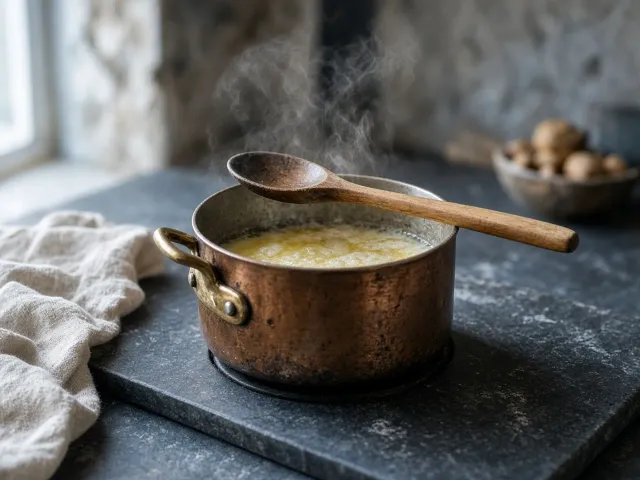
A technique you can reuse when the fish changes, the pot is different, or the guest list grows. The steps stay; the plate does not.

These notes are written for a Saturday morning: one sitting, one pot, and enough leftover thought for Monday.
On the counter
These are the working parts of the notebook: not restaurant amenities, and not a shopping list. They are the tools the writing assumes you already have, or can borrow from a neighbour.
What is actually good this week, and what can wait without sulking.
If the fish is gone, the method stays. The note tells you what to swap.
A few pages on how hot the pan should feel, and when to leave it alone.
Meals that occupy the oven while the rest of the house gets on with itself.
Short enough to keep in a coat pocket. Long enough to feed four.
Oil, salt, citrus, beans, and the one jar you should refill before guests arrive.
Three courses that share a chopping board and do not require a brigade.
The small repeated acts that make a plate taste like your room.
From the table
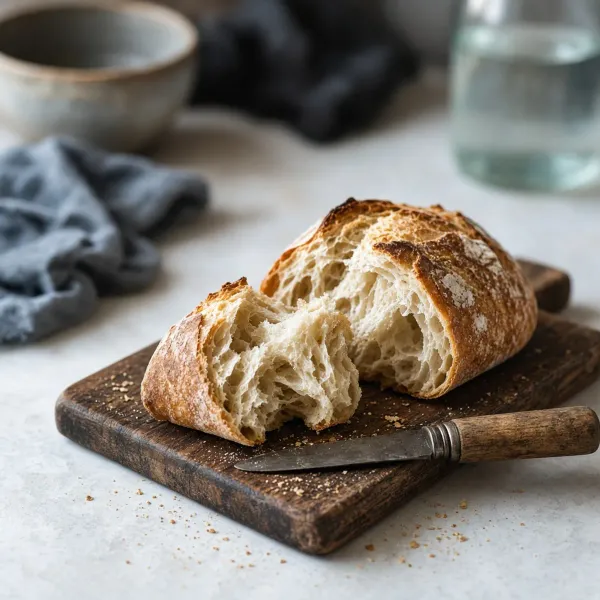
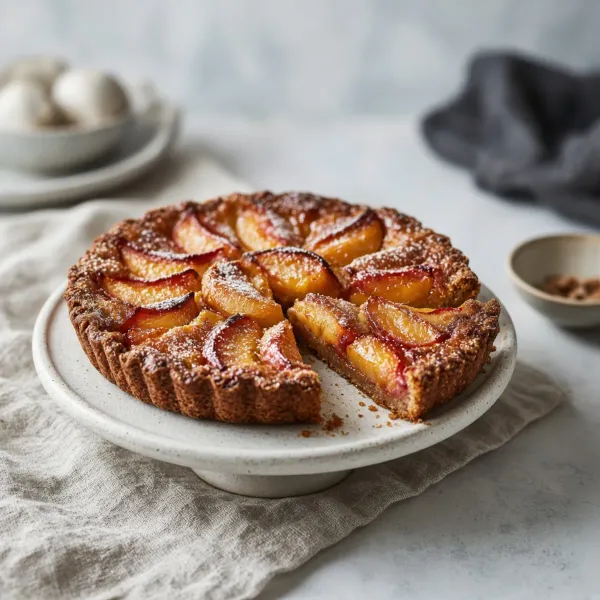
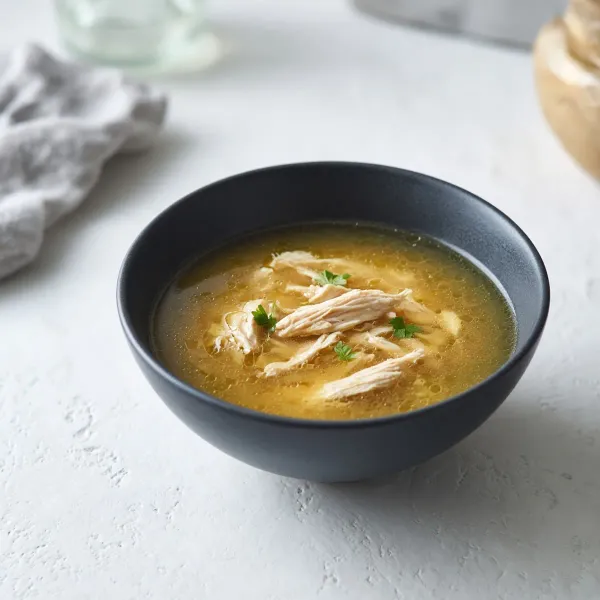
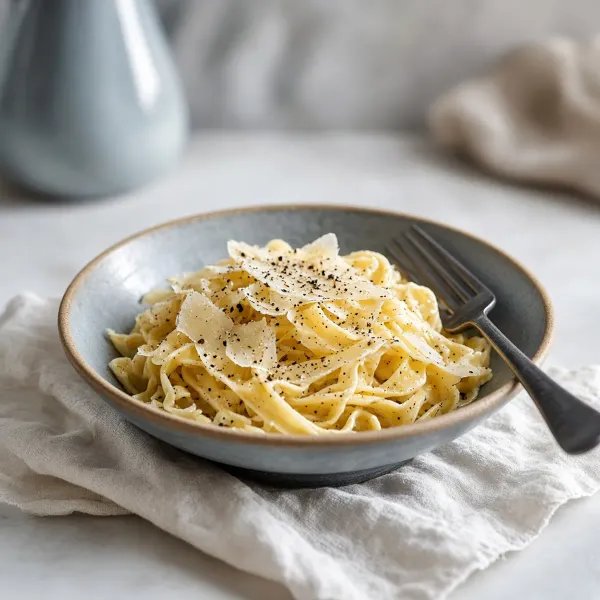
A full-bleed band of the demo kitchen. Captions sit in a thin strip so the photographs can breathe.
How the notebook is paced
These figures describe the demo kitchen, not a real publication. Replace them with numbers you have actually counted.
Seasons we write through
The calendar is the only metric this kitchen trusts. Spring through winter, the produce changes and the notes follow.
Time a note should take
One sittingIf it cannot be cooked between a pot of coffee and the first guest, it does not belong in this journal.
When most notes are written
A weekendSaturday morning is when the market bags come home and the stove is allowed to take its time.
Kitchens claimed
HomeNo brigade, no pass, no invented covers. The only kitchen in this demo is a domestic one.
Before you cook
Use the tabs to move between the stove, the writing, and the theme itself. Every answer is demo copy for this fictional journal.
A heavy pot, a sharp knife, and a pan that holds heat are enough. The notes assume a home hob, not a restaurant range.
Most plates are written for two to four. Doubling is usually a matter of a wider pan and a longer rest, not a new method.
Each note names a swap in the margins. If the market is bare, cook the method with what you have and write down what changed.
This demo ships with a small journal of finished notes. On a live site you would replace the collection with your own cadence.
Yes. The writing is meant to be cooked from, not collected. Print a note, stain it, and keep it near the salt.
No. Plate Theory is a fictional notebook invented for this theme. Names, addresses, and plates are placeholders for your own work.
Tokens live in src/styles/global.css. Headings use Cormorant Garamond and body copy uses Source Serif 4. The README lists every step.
Add a Markdown file to src/content/blog with the same front matter as the examples. The homepage list and the /blog index update from the collection.
It posts to the thank-you page as a working demo. Point the action at your own form endpoint or service before you launch.
From the journal
The newest writing from the demo kitchen — cover photograph, date, and a line of context. Replace every title with your own.
Latest note
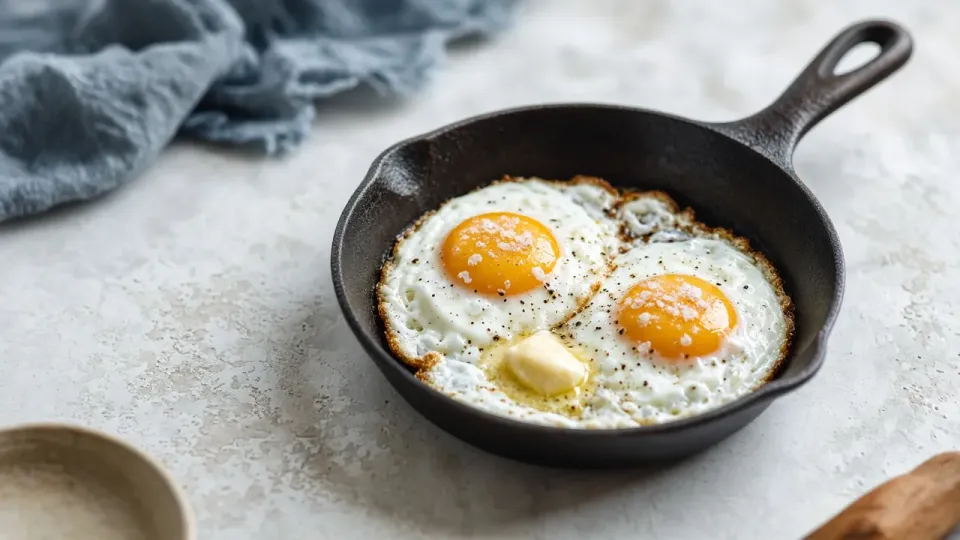
A Saturday note on cooking eggs in a pan that already knows you, and why the first good one is a matter of heat more than recipe.
Read the noteWrite to the desk
This form is a working demo. It opens a thank-you page rather than sending mail. Point the action at your own service before launch.